Why Corporate Entertainment is High Pressure (and How to Win)
Corporate entertainment is high-pressure. The stakes include brand reputation, employee morale, and executive satisfaction, meaning any technical failure or inappropriate tone can result in lasting professional embarrassment for the event planner. In the world of business, your entertainment choice isn't just about a fun night; it's about validating the company culture and proving that the leadership actually knows how to throw a party that doesn't feel like a mandatory HR training seminar.
If you have ever felt your heart rate spike while looking at a seating chart, you are not alone. Event planning is regularly ranked as one of the most stressful jobs on the planet, right up there with air traffic controllers and people who have to explain the internet to their grandparents. But corporate entertainment adds a special layer of 'oh no' to the mix. You are not just hiring a guy to do card tricks; you are hiring a representative of your professional taste. If they are good, you are a hero. If they are bad, you are 'the one who hired the clown that made the CFO cry.'
Why is corporate entertainment so high-pressure?
The pressure comes from the fact that corporate events have very little margin for error. Unlike a birthday party where Uncle Bob can get a bit too enthusiastic about the karaoke machine and everyone just laughs it off, a corporate setting is a professional ecosystem. Every element of the night is being subconsciously graded by attendees. Are the hors d'oeuvres cold? Did the CEO's microphone cut out during the keynote? Was the entertainer actually entertaining, or was it just forty-five minutes of awkward silence and outdated jokes?
Furthermore, you are dealing with a 'captive' audience. At a public show, people paid to be there. At a corporate event, people are often there because it is part of their job. This means the entertainer starts in a 'credibility deficit.' They have to earn the respect of a room full of people who might rather be at home watching Netflix or, for the work-o-holics, finishing their quarterly reports. When the stakes involve internal politics or external brand perception, the pressure on the organizer is immense. You aren't just filling a time slot; you are managing the emotional state of an experience.

The Psychological Weight of the Room
Let's talk about the 'skeptic in the front row.' Every corporate event has one. Usually, it is a high-level executive who has 'seen it all' and thinks they can figure out every trick or see through every mentalist's routine. Once, a CEO had his whole team at his private estate and wanted to appear very smart. I could sense he was ready to call me out in front of everyone if I made a single mis-step.
I knew the way to win him over would be by giving him an emotional connection to the material. Earlier in the event, I had overheard him telling someone about his orchard and how he would go out in the morning and pick apples. While passing through his kitchen, I saw a large bowl filled with apples that had clearly come from the orchard. They didn't look like "perfect" supermarket produce. I slipped one into my pocket and then, during my show, guided him to talk about something he was passionate about outside of work. His surprise when he brought up picking apples and then, "on command", I produced an apple that he clearly recognized as from his orchard, won him over. He was not just on my side for the rest of the event, he had me back year after year, and always brought up that apple each time we saw each other.
What are the most common things that go wrong?
When things go south at a corporate event, they go south fast. The most common issues aren't always what you'd expect. It isn't always a 'bad act' (though that happens); it is often a misalignment between the performer and the environment. Here are the top four ways the night can turn into a disaster:
- The 'Wrong Vibe' Mismatch: Hiring a comedian who tells off-color jokes for a conservative banking gala is a recipe for a very long walk to the HR office on Monday. Tone is everything in Corporate settings.
- The Timing Collapse: The keynote ran forty minutes over, the dinner service was delayed, and now the headline entertainer has to fit a sixty-minute show into a twelve-minute window between the dessert and the shuttle buses.
- The Disappearing Act: Not a magic trick, but an entertainer who doesn't show up or is notoriously difficult to reach. Reliability is the cornerstone of professional events, and many 'talent' types forget that a contract is a promise.
- The 'Tough Crowd' Syndrome: Some entertainers are great for small groups but crumble in a large ballroom. Without the right stage presence, a performer can be swallowed by the noise of three hundred people talking over their appetizers.
Equipment Fails and Tech Nightmares
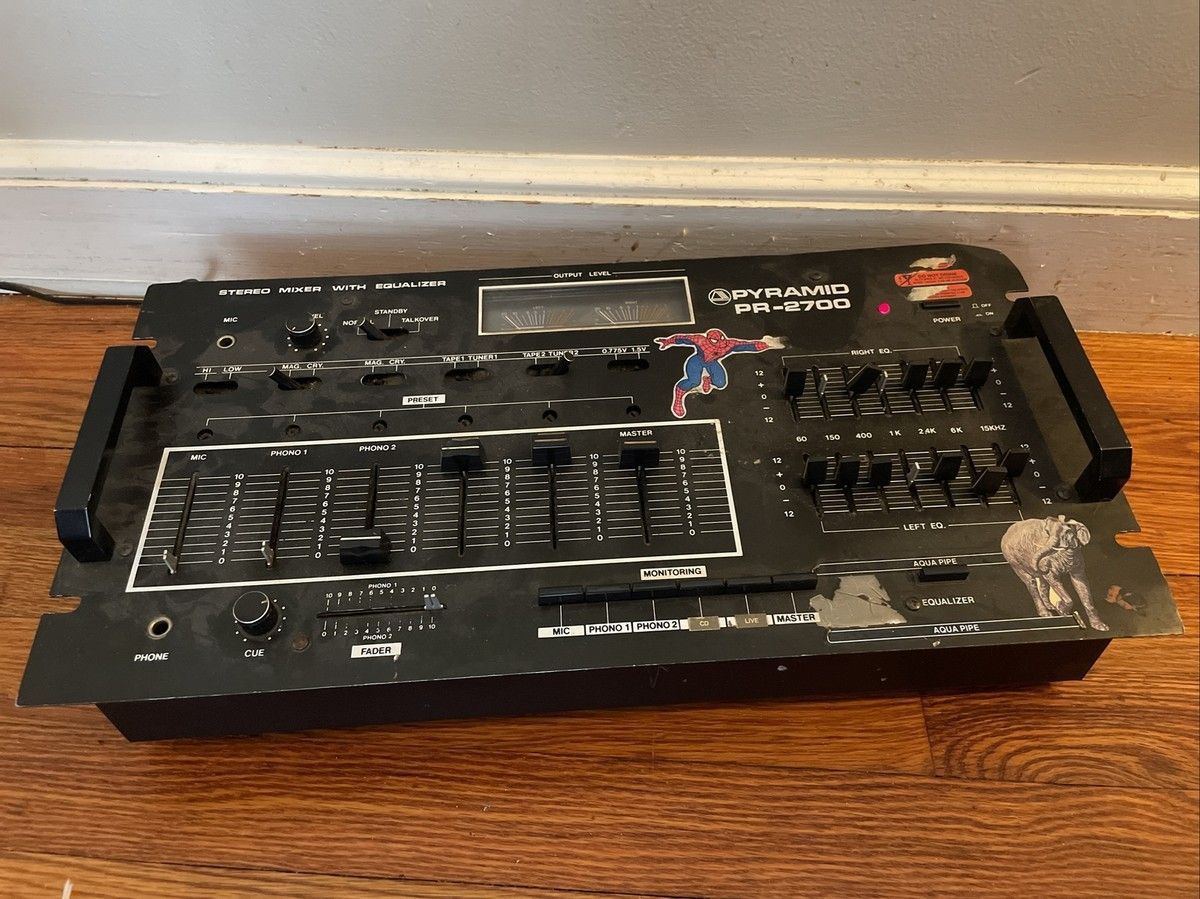
Nothing kills the mood faster than not being able to hear the performer, or worse, a feedback loop through the speakers. AV (Audio-Visual) failures are the bane of every event planner's existence. In corporate entertainment, the technical requirements are often overlooked. Does the performer need a wireless lapel mic? Do they need a specific lighting cue? A professional entertainer knows how to pivot when tech fails, but a truly great one has a backup plan for their backup plan. Even if a venue says they have the perfect earset microrphone, the performer should probably bring a back-up anyway. There have been many times where the state-of-the-art mixer I was assured was at the venue ended up looking like this:
Choosing the Right Entertainment Solution
To mitigate the high pressure, you need a performer who understands the corporate world as well as they understand their craft. This isn't just about 'doing a show'; it's about being a partner in the event's success. A reliable entertainer will check in weeks before the event, coordinate with your AV team, and be flexible enough to handle the inevitable 'we're running ten minutes behind' announcement with a smile. They should act as a safety net, not another source of stress. When you look at my Bio, you see someone who has spent years perfecting this balance of professionalism and jaw-dropping performance.
Making the Decision with Confidence
When you are ready to move from 'panic mode' to 'promotion mode,' the key is vetting. Don't just look at a highlight reel of someone's best three seconds. Look for testimonials from other corporate planners. Ask about their backup plans. If they are 'always reliable and passionate' about what they do, like a certain mentalist we know, you can breathe a sigh of relief. Your job is hard enough—let the entertainment be the easiest part of your night. By focusing on high-quality, intellectually stimulating acts like mentalism, you ensure that even the most skeptical VP leaves the room wondering, 'How did he do that?'
To recap, corporate entertainment is a high-pressure environment because of the brand stakes, the skeptical audience, and the rigid logistics. You can avoid the major pitfalls by focusing on these core areas:
- Vet your entertainer for corporate 'tone' compatibility.
- Confirm all AV and technical requirements well in advance.
- Ensure the performer is flexible with the event's timeline.
- Choose entertainment that engages the mind and the funny bone.
- Work with professionals who treat their act as a business, not just a hobby.
If you want to ensure your next event is a massive success without the soul-crushing stress, it's time to book a pro. Check out my Private Events page to see how I turn high-pressure situations into unforgettable highlights. Remember, the goal is to make you look like a genius for hiring us. Let's make it happen!